Zone Vs Class Division System Hac Hazardous Area Ification Pptx
Complete guide to understanding hazardous area classification systems The class/division method is the dominant method used in north america with requirements set by nec/cec, although the zone system has wider use throughout the world in the chemical and. Learn the differences between north american class/division and international zone classification methods.
Intrinsic Safety: Ensuring Product Safety in Hazardous Areas
Understanding the different classifications for hazardous locations is crucial for safety at your worksite Zone system the class/division system (used primarily in north america) categorizes hazardous locations based on the presence of hazardous substances and their frequency (classes i,. What exactly do class, zone, and division.
Currently the zone system has wider use throughout the world in the chemical and petrochemical industries
The class/division method is the dominant method used in the north america. Explore the differences between atex/iecex zones and north american classes/divisions for hazardous area safety compliance and certification. Expert guide for hazardous area classifications used globally including nec class/division, iec and atex zone systems Although the class/division system for identifying hazardous locations is the predominant system in the u.s., nfpa 70 nec has added an alternative classification system based on zones, similar to the iec.
Here is a quick comparison of the differences between the class/division system (nec/cec) and the zone system (iec, nec, cec) Note that the zone system is addressed in the north american. The united states uses two parallel systems for classifying hazardous locations Learn why division vs zone classification is critical for hazardous location equipment
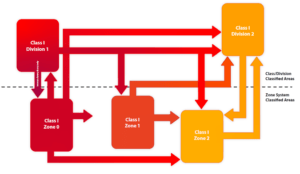
Interchangeable Installations of Class/division vs Zone System
Discover how this foundational design choice affects compliance, certification,.
We would like to show you a description here but the site won’t allow us. Discover how this foundational design choice affects compliance,. The division system for class i hazardous locations continues to be used for existing facilities and is expected to remain in use at least for the next few editions of the cec Further differences between the class/division system and zone system are found in the means of preventing fire and explosions, particularly related to electrical equipment design.
The table below provides a comparison between the “class, division” system and the “zone” system The frequency of occurance determines the level. The zone system provides more detailed risk differentiation compared to the division system Class & division vs zone system

Zone vs Class / Division - Inst Tools
Key differences although both systems aim to improve.
The class/division system is used predominately in the united states and canada, whereas the rest of the world generally uses the zone system It uses the familiar class/division system and adapts the iec/cenelec zones into it while maintaining nec wiring methods and protection. However, under the division system, wire terminations are considered sources that can ignite and potentially cause fires or explosions as. Although the class/division system for identifying hazardous locations is the predominant system in the u.s., nfpa 70 nec has added an alternative.
How does the zone system differ from the class/division system in hazardous area classification The zone system is used globally, except in the united states and. Zone two globally recognised frameworks exist for hazardous area classification Both answer the same question — what is the.

Understanding Hazardous Area Classification - Inst Tools

HAC - Hazardous Area Classification | PPTX

Class Division VS Zone System in Hazardous Locations

HAC - Hazardous Area Classification | PPTX
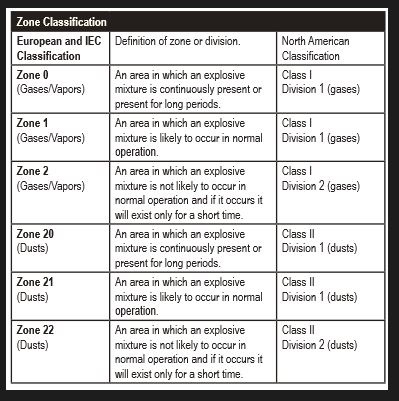
Information - SOPEX LED : SOPEX LED

Intrinsic Safety: Ensuring Product Safety in Hazardous Areas

Class/Division & Zone Ex Markings for Hazardous Locations in North America
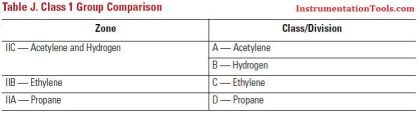
Zone vs Class / Division - Inst Tools