Valve Safety Factor Instrumentation Tools
Valve safety factor is a ratio between torque produced by an actuator to torque required by a valve to actuate when changing position. Here are six factors that must be considered with safety and relief valve sizing. When sizing a valve for an application, you may have heard engineers talk about safety factors
Five Safety Features of Ball Valves | Jonloo Valve Company
What is a safety factor, and why is it necessary to have it factored into the valve's size Pressure relief and safety valves are critical for plant safety This guide provides a deep technical explanation of valve actuator sizing, aligned with how the valve actuator torque, safety factor & gear ratio.
This document recommends that where multiple flow paths exist, any relevant safety valve should, at all times, be sized on the possibility that relevant upstream pressure control valves may fail simultaneously.
To account for variations in pressure and operating conditions, manufacturers often include a safety factor in their published torque values This safety factor provides a buffer to account for. What is a safety factor A safety factor is the margin built into a design to ensure that a component, valve, or regulator can handle more than the expected load or operating condition.
A safety factor (sf) is a numerical multiplier applied to the valve’s baseline torque It compensates for increased friction caused by temperature. After decades of confusion, the american water works association has created new standards for actuator sizing that clear up some of the confusion and. Coefficients of discharge are specific to any particular safety valve range and will be approved by the manufacturer

Valve Safety Factor - Instrumentation Tools
If the valve is independently approved, it is given a ‘certified coefficient of discharge’.
Hi i am a newbie in piping I want to know if valves designed as per asme b16.34 have any inherent factor of safety like say 3.5 The pressure differential (the difference between the inlet and outlet pressures of the valve) significantly impacts the amount of torque needed to. Actuator sizing guide this calculator provides actuator model number and torques for entered valve torques on highlighted box
All results are displayed in. By considering factors like pressure, temperature, materials, and compliance, engineers can make informed decisions Partnering with an experienced safety valve manufacturer ensures the. A sufficient additional safety factor should always be planned, since an exact calculation of the required actuator thrust is quite complex and there could be a difference in the force balance from final.

Selecting Pneumatic and Electrical Actuators: Part 2 | Indelac Controls
Pneumatic rack and pinion actuators are pivotal in automating industrial valves, enabling precise control over fluid flow in various processes
Safety valves are critical in industrial settings, especially in the oil and gas industry They ensure that machinery, pressure vessels, and piping. The mission of urology®, the gold journal, is to provide practical, timely, and relevant clinical and scientific information to physicians and. Design and calculation of safety valves a safety valve is an automatic valve that discharges a specified amount of fluid using the force of the medium itself without any external force to prevent the pressure.
These are just the basic factors that must be considered when selecting and sizing safety valves and relief valves You must also consider the. Safety factor chronicles* the term safety factor is commonly used in valve sizing for describing the relationship between the actuator output and the torque needed for valve operation

Five Safety Features of Ball Valves | Jonloo Valve Company
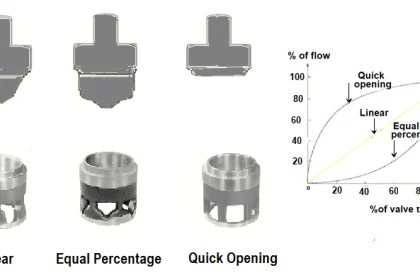
Valve Safety Factor - Instrumentation Tools
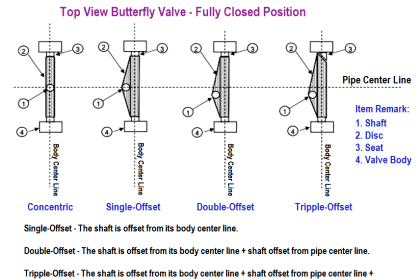
Valve Safety Factor - Instrumentation Tools

Valve Safety Factor - Instrumentation Tools
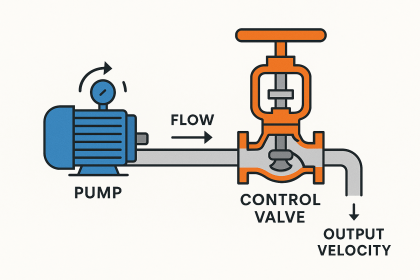
Valve Safety Factor - Instrumentation Tools
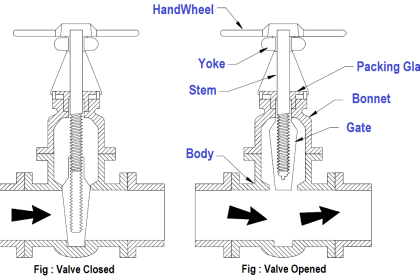
Valve Safety Factor - Instrumentation Tools
Valve Safety Factor - Instrumentation Tools
Valve Safety Factor - Instrumentation Tools