Flow Switch Principle How Do Es Work? Types Uses & Working Explained
Flow switches help maintain safe and manageable. A flow switch is a device used to monitor the flow rate and pressure of liquids, air or other gaseous media through a duct, system or loop In principle, flow switches are similar to a light switch
How Do Flow Switches Work? Types, Uses & Working Explained
They just happen to be in a stream of flow and do not require that a person be physically present to turn them off and on. Mechanical flow switch and electronic flow switch The flow switch working principle is based on detecting the physical movement of a fluid and converting it into an electrical signal
Our definitive guide looks at what flow switches are, how they work and what they’re used for, as well as the different types that are available on the market.
Learn what a flow switch is, its working principle, types, applications, advantages, and selection guide for industrial automation, hvac, water treatment, and process industries. Mechanical flow switch relies on fluid to push blades, pistons or reeds The micro switch is triggered by mechanical displacement The working principle of a flow switch mainly depends on the type of media
This switch is mainly used to monitor the pressure & flow rate of fluids, air, or gases. The working principle of a flow switch mainly includes two types

Flow switches | THE INSTRUMENT GURU
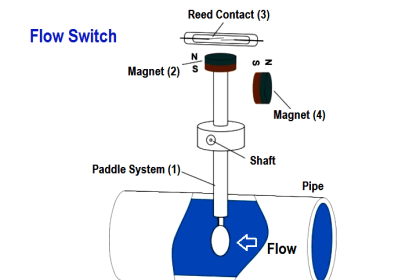
Principle of Flow Switch - Instrumentation Tools
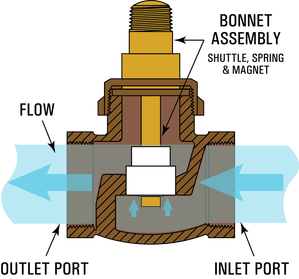
In-Line Flow Switch Working Principle and Animation - Inst Tools
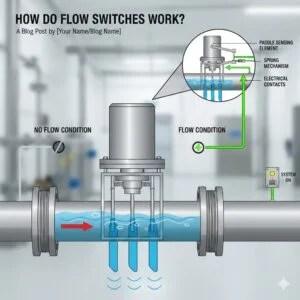
How Do Flow Switches Work? Types, Uses & Working Explained

Flow switch working principle and types

Target Type Flow Switch (Paddle Flow Switch): Principle, Features, and
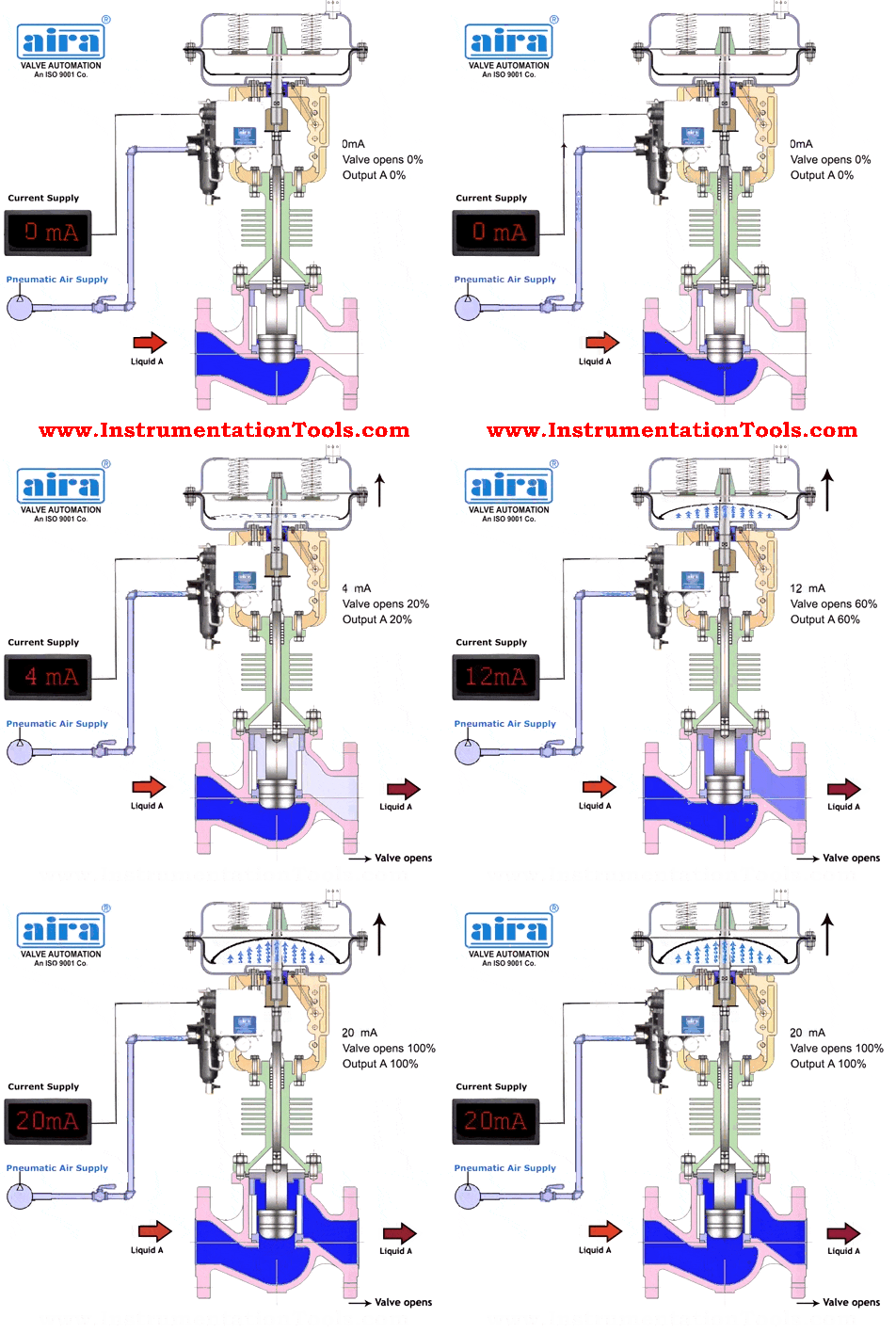
Working Principle of Flow Switch with Animation - Inst Tools

Model F50 disc-actuated mechanical flow switch

Paddle Type Flow Switches
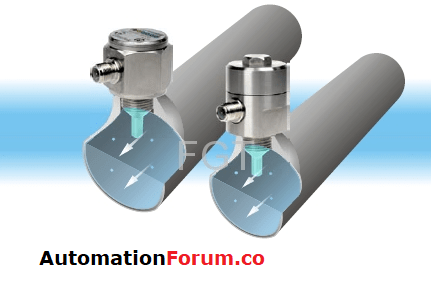
Thermal Dispersion Flow Switch Working Principle | Instrumentation and