Exclusive Control Valve Sequence A Guide To The Application And Selection Of And One Way
Exclusive control valve sequence are used in applications where it would be undesirable to have both valves open simultaneously. The valve can be used to control the sequence of multiple actuators, allowing them to move in a specific order to perform a series of tasks or operations Again, we may express the two valves’ exclusive relationship in the form of a graph, with colored stripes representing valve opening
Sequencing circuit in hydraulics |Application of Sequencing Valve
Learn split range control in control valve applications with complementary, exclusive, and progressive modes, practical examples, valve. A few different modes of control valve sequencing are commonly seen in the industry 0% = valve a wide open, valve b shut 25% = valve a 50% open, valve b shut 50% = valve a shut, valve b shut.
But which configuration suits your loop best—complementary, exclusive, or progressive?
Capacity is increased by progressive. Common modes of control valve sequencing seen in the process industry are:. Split range control some control loops have two control valves on the output signal of one controller For example with two control valves, one valve.
Pressure controls (other than relief and unloading valves) there are some parts of fluid power circuits that need pressure control
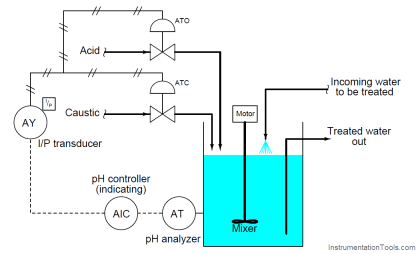
Exclusive Control Valve Sequence | Split-ranged Control Valves

What is a sequence valve? | Instrumentation and Control Engineering

Difference Between Series And Parallel Hydraulic Circuits

A Guide to the Application and Selection of Sequence Valves and One-Way

Hydraulic Sequence Valve Circuit

Control Valve Characteristics | Instrumentation Tools

Hydraulic Sequence Valve Circuit

Sequencing circuit in hydraulics |Application of Sequencing Valve
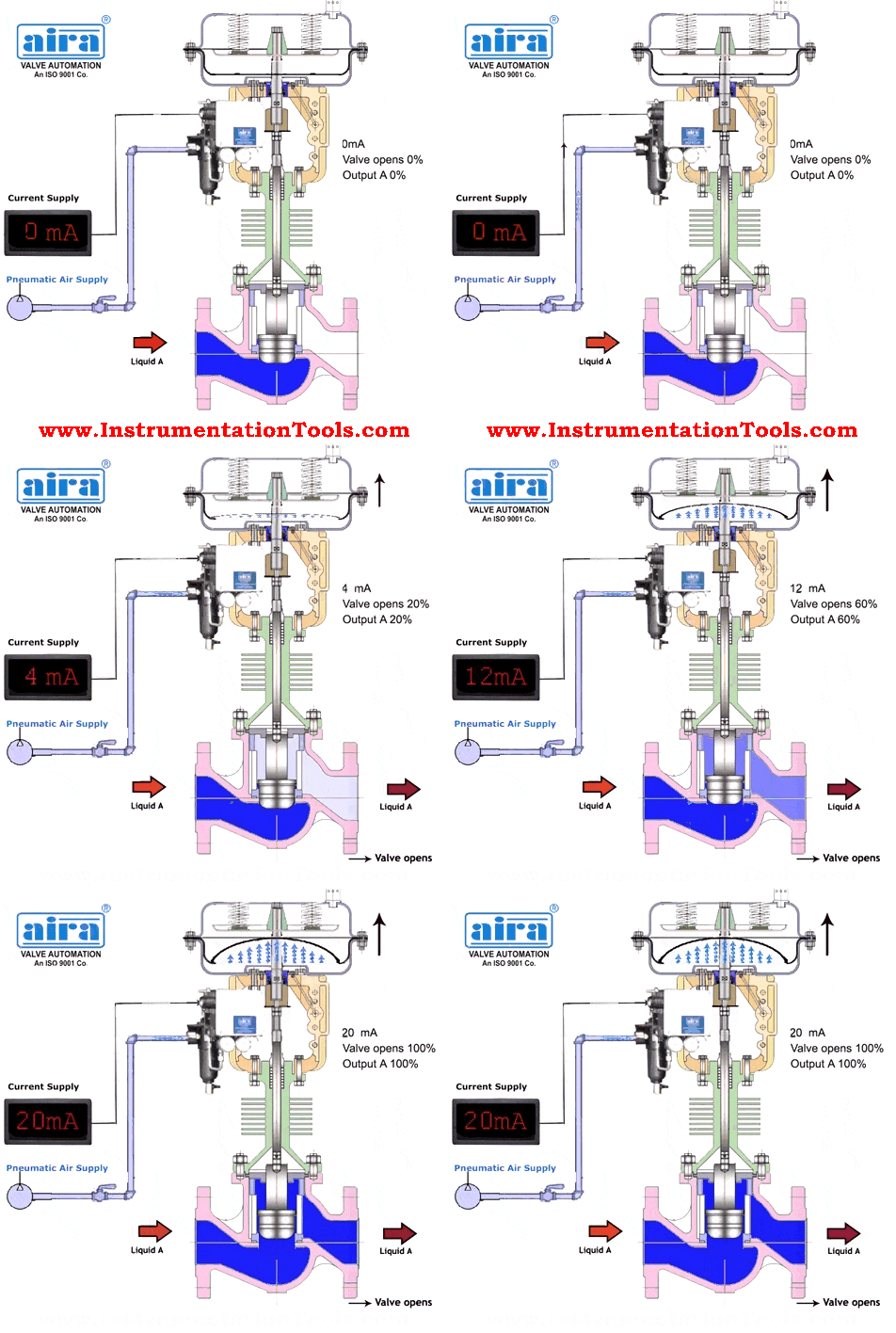
What is a Float Control Valve? Types, Advantages, Disadvantages

Control Valves .pdf